
Photomaly
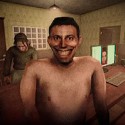
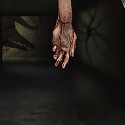


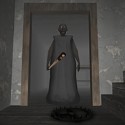





In Photomaly you inherit a small-town photo studio from your father, along with a camera, a plain backdrop and a darkroom washed in red light, which matters because almost nobody in this town walks in wanting an ordinary portrait. Your job is to turn their odd requests into finished prints and keep the business afloat while the town around you grows harder to explain.
| Genre | Retro first-person horror with shop management |
|---|---|
| Workflow | Pose, shoot, develop, print, hand over |
| Earnings go to | Stock, workspace improvements and decor |
| Location | A family-run photography studio |
| Objective | Serve every client and uncover the town's secret |
Posing Strange Clients for the Perfect Shot in Photomaly
Every visit begins with a client describing the photo they want, and the description is usually the first clue that something is off. You walk them onto the backdrop, nudge their position, step back and hunt for a framing that actually matches the request. A crooked or lazy composition does not just look bad, it throws away film you paid for, so the camera stage deserves more care than new players give it.
Some requests are tame. Others are deeply unsettling, like the gaunt visitor who wants the picture to show a body twisted into something monstrous.
The usual rookie error is treating the shoot as a quick step between decorating sessions. Players who like cozy management loops will enjoy the shop side, yet the print is what each customer judges, and a rushed angle tends to cost more than it saves.
Inside the Red Room
After the shutter fires, the roll goes to the red room for processing. This is the slowest and most hands-on part of every order: film has to be handled carefully before anything can be printed, and the dim red glow turns a routine task into a few minutes of uneasy quiet away from the counter. The full cycle for each client looks like this:
- Arrange the client and take the shot from a fitting angle.
- Process the roll in the red room.
- Turn the developed film into finished prints.
- Give each print to the person who actually ordered it.
Fans of the genre call this kind of loop chore core, horror built on repeated everyday jobs, and the red room is where the repetition starts to feel like a ritual. Mixing up who gets which print is an easy slip when several orders stack up, so it pays to finish one client completely before starting the next.
Cash from completed jobs funds new stock, productivity upgrades and decorations, and during slow hours you can even scribble drawings onto the studio computer's desktop. Buying furniture before the shelves are refilled is a classic early mistake that leaves you unable to serve the next walk-in.
The Secret Behind the Photomaly Studio Walls
Once a handful of regulars have come and gone, the horror shifts from the customers to the building itself. Someone or something waits behind the studio, and the town quietly discourages curiosity even as every finished order edges you closer to the answer the store page keeps blacked out. A few clients seem perfectly normal right up until the studio lamp lands on their grin and their whole manner changes.
That unpredictability splits players.
The PSX-style visuals are intentionally crude, several events feel only loosely tied to the central mystery, and the mechanics stay simple next to the weirdness on display. Retro horror fans see that chaos as the appeal, while anyone wanting a clean plot with firm answers may come away annoyed.
What New Studio Owners Usually Ask
- How does developing work in Photomaly? Take the shot, carry the roll to the red room and process it, then make the final prints from the developed film. A job is only complete once those prints reach the correct client, so skipping care at any stage undoes the work before it.
- What is the best first purchase? Refill your stock before spending on anything else, because running dry halts every order. Upgrades that speed up the workflow come second, and decorative items are best left until income feels reliable.
- How scary does Photomaly get? Expect short, sharp moments of creepiness and disturbing animations rather than long jumpscare build-ups. Most of the dread comes from bizarre clients and whatever waits behind the building, so it unsettles more than it shocks.
Photomaly shines when the backdrop, the red room and each careful hand-off settle into a comfortable rhythm, and then its strangest regulars start pulling that rhythm apart. Keep the shelves full, take every shot seriously and keep an eye on what is hiding behind the studio.