The Pale Mimic







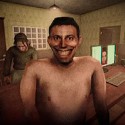
What do you do when the voice calling your name through the trees sounds exactly like the one person you trust most, except that person is already standing beside you? That question is what The Pale Mimic keeps forcing on Jason, the fugitive it drops into the Alaskan wilderness with nothing but a cabin, a dwindling supply of meat, and a dog that notices things long before he does.
Hunting, Butchering, and Staying Fed in The Pale Mimic
Survival here isn't abstract. When the meat runs low, Jason has to leave the cabin, track real game through the frozen forest, kill it, and butcher it back home — and the dog is the one doing the actual tracking, since trying to sweep the map alone just makes the walk back harder.
That dependence on the dog is deliberate: every trip outside is safer with it beside him, and every trip where Jason pushes ahead without waiting for it to pick up a trail takes longer and exposes him more.
Players who treat this like a standard survival loop, rationing meat carefully and never leaving the cabin without a reason, tend to get further than players who push forward chasing the story beats, since The Pale Mimic punishes impatience with the hunting cycle specifically.
When the Forest Starts Answering Back
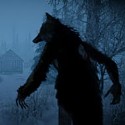
The Mimic is the wilderness threat that gives the game its name, and it isn't a monster that simply chases — it studies what Jason already trusts and borrows it. It can throw the dog's whine through the treeline, fake the sound of real prey to pull him off course, or say his own name in a voice that shouldn't know it.
That's also what makes the cabin feel less safe the longer the game goes on: the door keeps out the obvious threats, but it does nothing against a sound designed to make Jason open it himself.
Players who enjoyed sorting real cues from fake ones in That's Not My Mom will recognize the same unease here, since The Pale Mimic's entire threat is built on sounds that are supposed to mean safety turning out to be exactly the opposite.
What Players Keep Arguing About in The Pale Mimic
The game is a structured, narrative-driven experience with a fixed beginning and end rather than an open survival loop, and that choice splits opinion — some players appreciate a horror game that commits to an ending instead of looping forever, while others miss the replay variety that an open survival structure usually offers.
Reception has stayed strongly positive regardless: user reviews sit at 86% positive overall, with recent reviews running even higher at 88%.
The Pale Mimic never tells you which sounds are safe to trust and which aren't, and that refusal is exactly the point.
By the time the cabin door stops feeling safe, The Pale Mimic has already made its point: everything Jason thought he could rely on out there was something the Mimic was listening for, waiting to use against him the moment he let his guard down.