
Simulation Games









Simulation Games recreate a process, a place, or a routine closely enough that playing one feels like stepping into something real — or something close enough to real that the small details start to matter more than they would in an obviously fictional setting.
What Counts as Part of Simulation Games
The label covers a wide range: management systems, vehicle handling, daily routines, or an entire household rebuilt in enough detail that walking through it feels grounded. What ties every title under Simulation Games together isn't theme but approach — each one models something with enough consistency that cause and effect feel believable rather than arbitrary.
Everyday Settings, Heightened Stakes
Several titles on this shelf take a mundane setting — a house, a school, a workplace — and raise the stakes without abandoning the realism that made the setting recognizable in the first place. A living room stays a living room in Simulation Games; it's just one where something can now go quietly wrong.
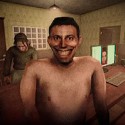
That's Not My Mom fits this mold closely, simulating the repeated routine of coming home from school in enough domestic detail that the house feels lived-in, which is exactly what makes its departures from normal so noticeable to anyone paying attention.
Systems Players Learn to Read
Good design in this category usually comes down to legible systems — rules consistent enough that a player can learn them through observation rather than a tutorial dumping every detail at once. Once you understand how a given title behaves, you can start predicting it, and that predictability becomes the actual skill being tested across Simulation Games generally.
- Object placement and room layout that stays consistent until something changes it.
- Routines that repeat on a schedule, making deviations easy to spot.
- Behavior patterns for characters that hold steady under normal conditions.
Slow Pacing as a Deliberate Choice
Titles under Simulation Games rarely rush. Pacing here tends to serve immersion rather than excitement, giving a space time to feel settled before anything is asked of the player. That patience is often mistaken for a lack of content, when really it's doing the work of making later surprises land harder once a title finally decides to spring one.
Where Simulation Overlaps With Other Categories
This shelf blends easily with horror, puzzle, and narrative-driven titles, since a well-built entry under Simulation Games can carry tension just as easily as it carries routine. The overlap is intentional — a convincingly simulated space is also a convincing place to hide something unsettling in plain sight.
Realism Without Overwhelming Detail
Not every title here aims for total realism, and the best entries in Simulation Games are selective about which details matter. A house doesn't need a fully modeled plumbing system to feel real — it just needs the details a player is actually going to notice, like furniture staying where it should and routines repeating the way they did yesterday.
Finding the Right Pace for You
Not every title plays at the same speed, so it's worth sampling a few before settling into one. Browsing through ThatsNotMyMomGame is a reasonable way to compare a handful of differently paced entries in Simulation Games without committing to a long session upfront.
Simulation Games succeed by making the ordinary feel worth paying attention to, and that groundwork is often what makes everything built on top of it — horror, mystery, or otherwise — actually work in the end.