Horror Games
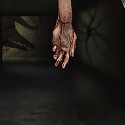
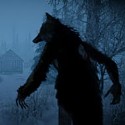

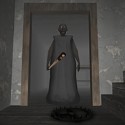
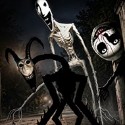
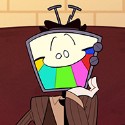
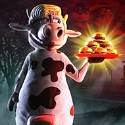
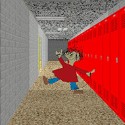
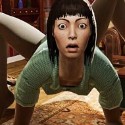
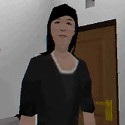
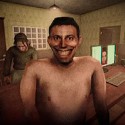



Horror Games are built around one simple promise: something here is going to unsettle you, whether through a sudden scare, a slow creeping dread, or a situation that never quite explains itself. This Horror Games shelf collects titles that lean into that discomfort on purpose, rather than treating it as a side effect of difficulty or failure.
What Separates Horror Games From Everything Else
A lot of titles include dark settings or dangerous enemies without actually belonging among Horror Games. What earns a place here is intent — the pacing, sound design, and uncertainty are all aimed at making you feel unsafe, not just challenged. A genuine entry among Horror Games wants you checking corners even when nothing is there.
That intent shows up in small design choices as much as big ones: a hallway that's slightly too long, a sound cue that plays before anything visible happens, an objective that never fully explains what you're looking for. None of those details require a monster on screen to work, which is part of what keeps this shelf interesting rather than a single formula.
The Many Shapes Horror Games Take
Not every title on this shelf plays the same way. Some lean on direct confrontation and pursuit, others on quiet observation where the real work is noticing what changed. A few common threads show up across Horror Games as a whole:
- Environments that reward close attention over quick reflexes.
- Sound design doing as much work as the visuals.
- Limited information about what's actually threatening you.
- Consequences for mistakes that feel personal rather than mechanical.
Any single entry might lean heavily on just one or two of those elements, while another combines all four into something harder to pin down.
Jump Scares Versus Slow Dread
There's a meaningful split in how Horror Games build tension. Jump-scare-driven titles rely on timing and surprise, landing a single sharp moment meant to spike your pulse. Dread-driven titles take the opposite approach, letting discomfort build gradually until even ordinary rooms feel wrong. Both styles have a loyal audience, and this shelf makes room for each rather than favoring one over the other.
Plenty of players enjoy both styles depending on mood, which is part of why a varied selection of Horror Games tends to hold up better over time than one built around a single formula.
How Sound Shapes a Scene Before Anything Happens
Audio design deserves its own mention, since it's often doing more work than the visuals in any given title. A floorboard creak, a distant voice, or sudden silence can signal danger long before anything appears on screen, training players to react to sound cues almost as much as sight. It's a technique that shows up constantly here, regardless of setting or story.
Titles that get this right tend to stick with players long after a specific jump scare has been forgotten — it's the atmosphere built through sound that lingers.
Players Who Gravitate Toward This Shelf
People come to Horror Games for different reasons. Some want a controlled scare they can walk away from afterward; others are drawn to the puzzle-like process of figuring out what a particular title is actually hiding from them. A smaller group treats this shelf almost competitively, chasing the fastest or cleanest possible run through something designed to make them hesitate.
Short Sessions, Lasting Tension
Plenty of entries here are built to be finished in a single sitting rather than stretched across hours. A short runtime doesn't mean a shallow experience — some of the most memorable Horror Games last twenty minutes and still change how you look at an ordinary room afterward.
Titles like the anomaly-driven That's Not My Mom show how a short, repeated structure can build dread through familiarity rather than length: the scarier the house becomes, the more you already know your way around it, which only makes each new change land harder.
What to Expect Before You Start One
Most titles on this shelf won't explain their rules upfront. You're usually meant to learn by paying attention, by noticing what's different between one moment and the next, and by accepting that not every threat will be obvious the first time it's introduced.
If you'd rather browse by mood than by mechanic, ThatsNotMyMomGame keeps the Horror Games shelf updated alongside the rest of the catalog, so new additions show up here rather than scattered across unrelated lists.
Horror Games isn't one genre so much as a shared goal — unsettle the player — chased through a dozen different methods, and that variety is exactly what keeps the shelf worth checking back on.